
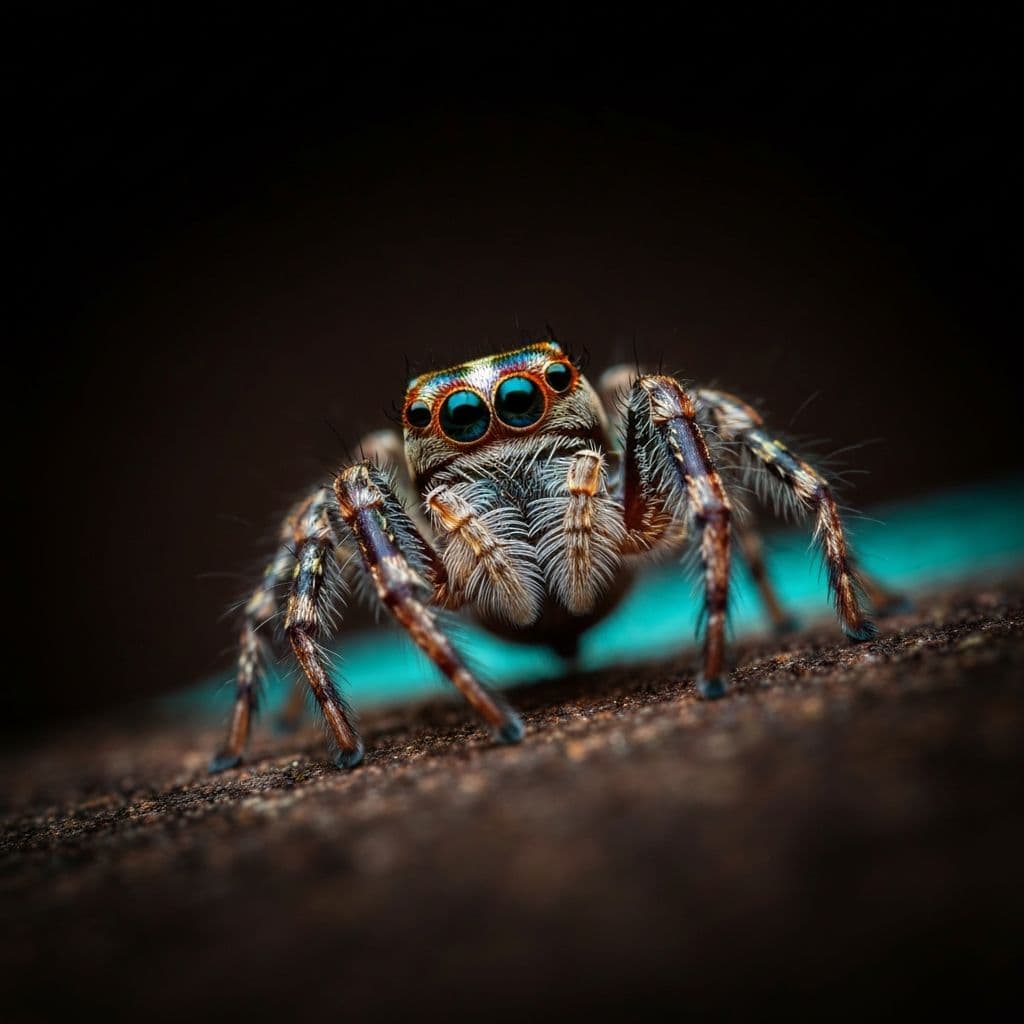
Understanding Your Spider's Diet
Jumping spiders are obligate carnivores. In the wild, they hunt a variety of small insects and other spiders. In captivity, we need to replicate this protein-rich diet.
The good news? Feeding jumping spiders is straightforward once you understand the basics.
Prey Size Matters
A general rule of thumb:
The prey item should be no larger than your spider's abdomen. When in doubt, go smaller!
For slings (baby spiders), you'll need tiny prey like:
- Melanogaster fruit flies
- Pinhead crickets
- Springtails
For juveniles and adults:
- Hydei fruit flies
- Small crickets
- Small roaches
- Bottle flies
Feeding Schedule
Unlike tarantulas, jumping spiders have fast metabolisms:
- Slings: Every 1-2 days
- Juveniles: Every 2-3 days
- Adults: 2-3 times per week
Watch your spider's abdomen - if it looks plump and round, they're well-fed. If it looks shriveled, increase feeding frequency.
How to Feed
1. Drop a prey item into the enclosure
2. Watch the hunt (the best part!)
3. Remove uneaten prey after 24 hours
Signs of a Healthy Appetite
A healthy jumping spider will:
- Actively hunt prey
- Pounce with precision
- Finish meals completely
If your spider refuses food for more than a week and isn't in premolt, consult with an experienced keeper.